Spring 2021 is here and the big fashion houses have already delivered their statement pieces for the world to see.
Schiaparelli historically has been a couture house that aims to shock, question, and challenge the notions of fashion and the current designer, Daniel Roseberry, continues with this trend. However, there’s a slight problem…
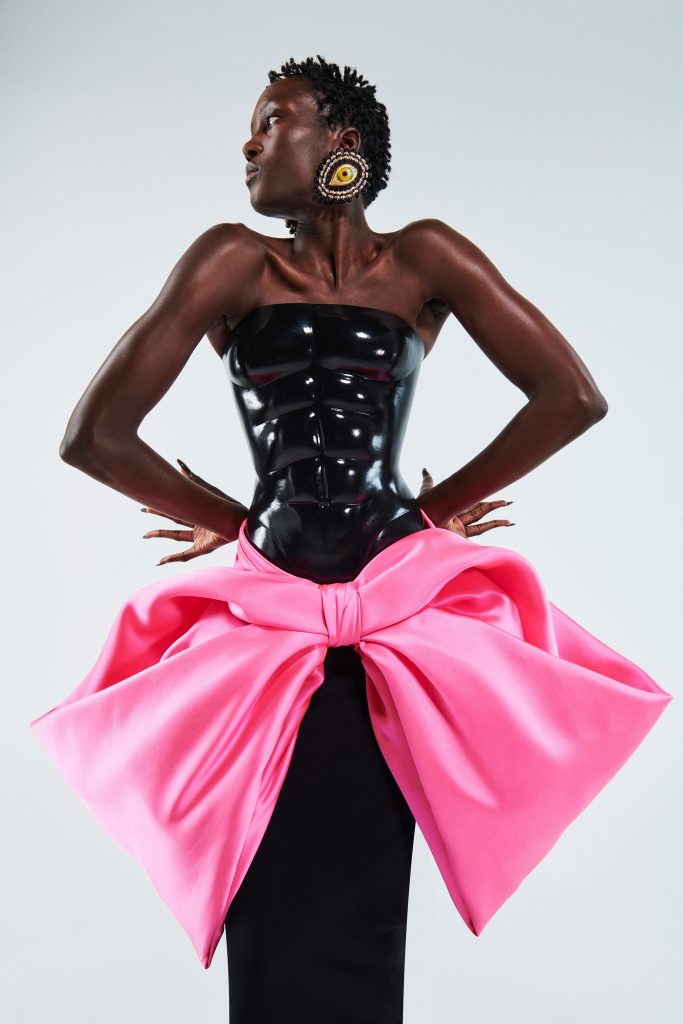
This.
Huh?
Why, Schiap, why?
For the entire collection, Roseberry showcases different clothing, mainly aimed at changing the shape of the body and highlighting society’s obsession with ‘the perfect body’. He decides to utilize molds of body types, namely the six-pack and muscular structures to showcase this, but with subconscious bias playing along, he utilized black models for this.
One can say, ‘well, he’s making a statement on how society views black women’ and I might very well agree except…
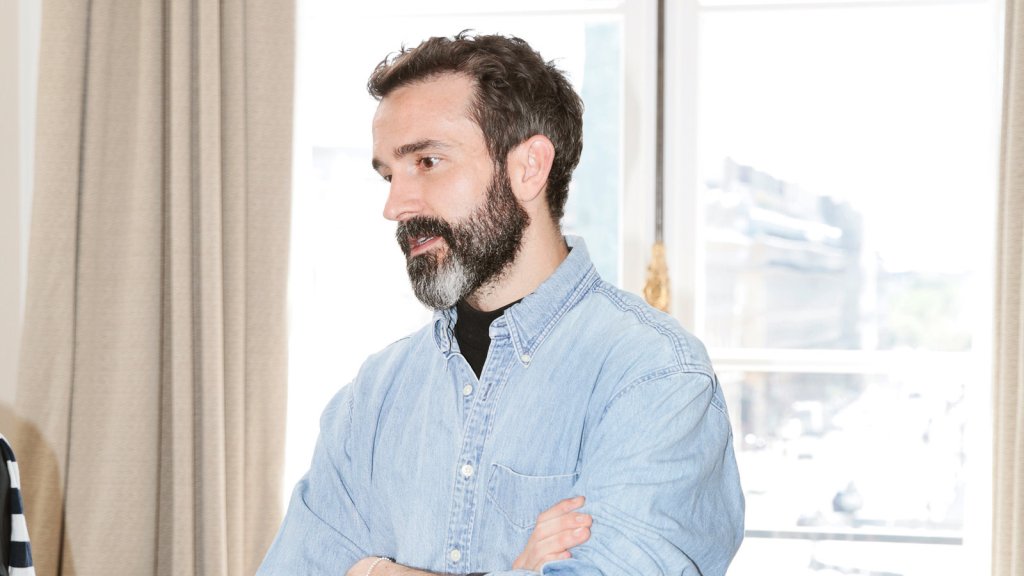
When did we give the white man power to give commentary on a black woman’s body?
Let me show you just a few of the designs produced on the runway, and you let me know what you think.
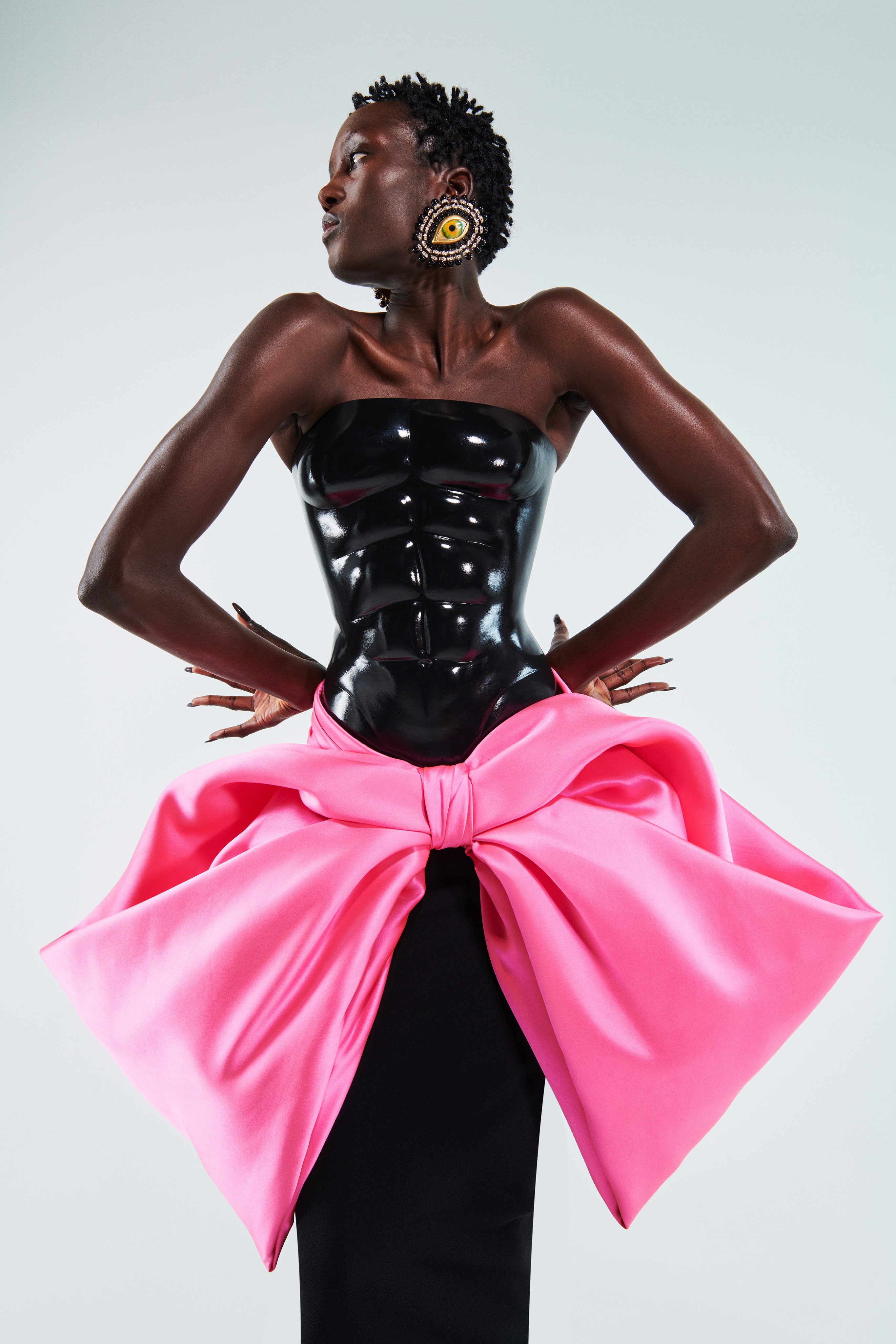
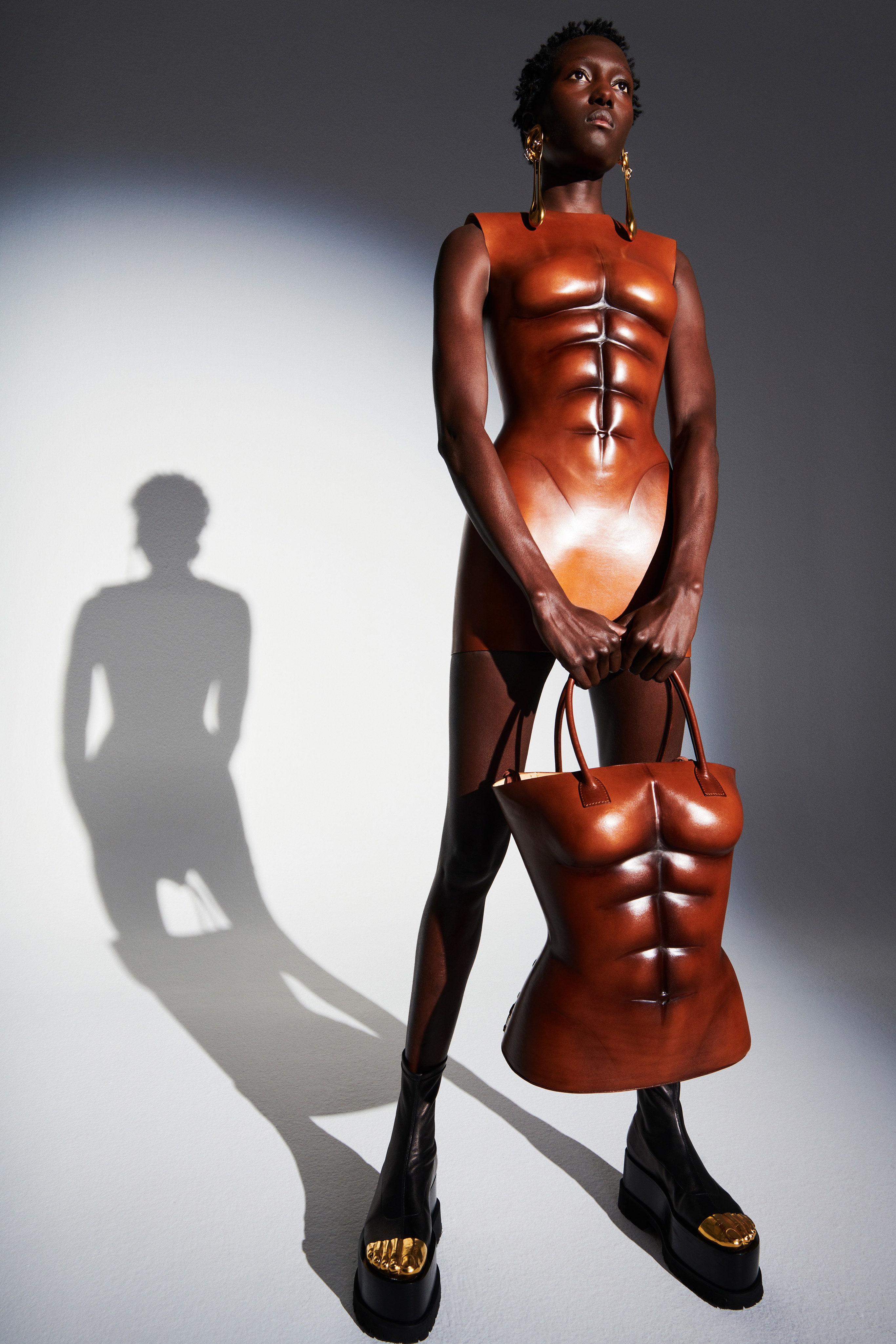
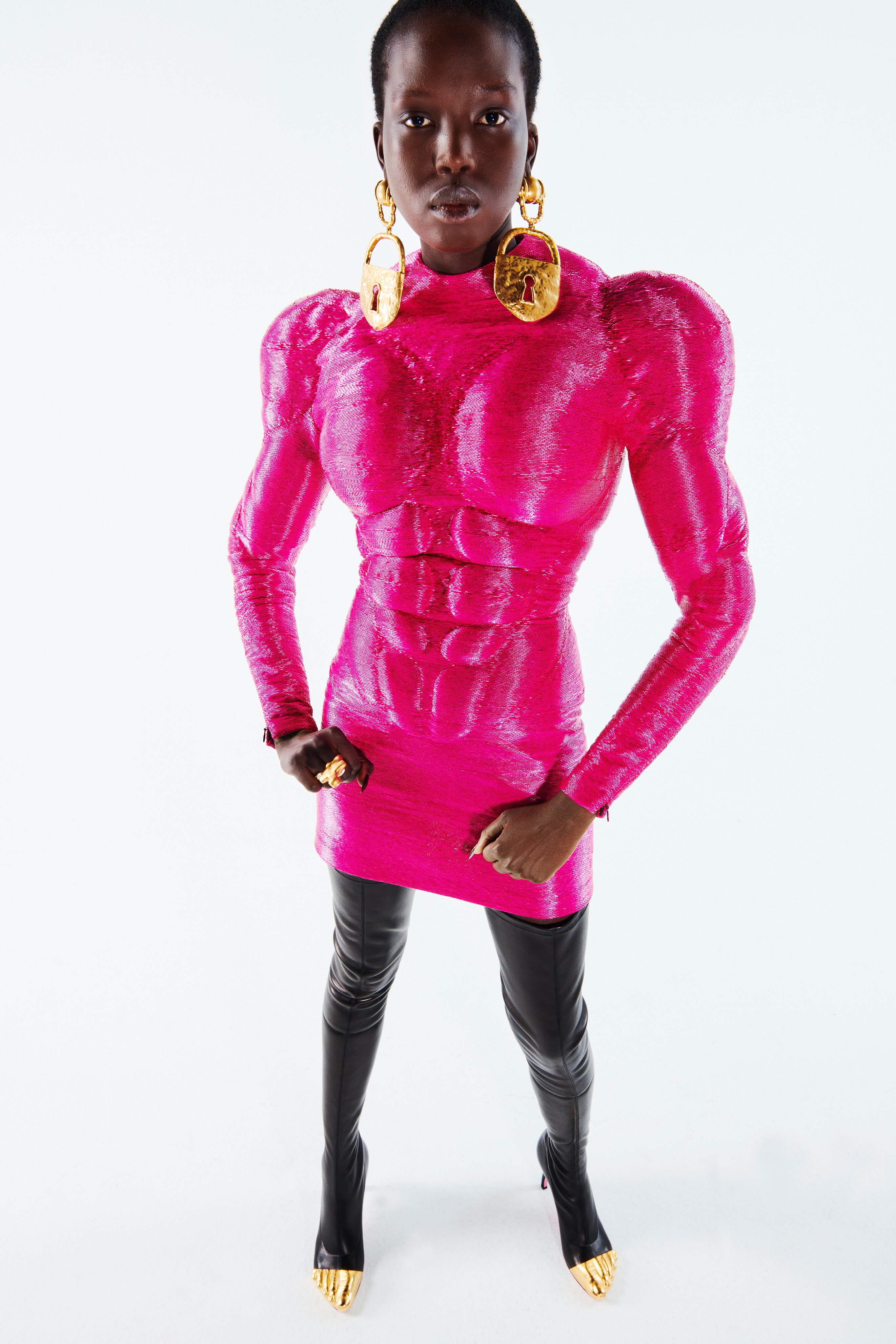
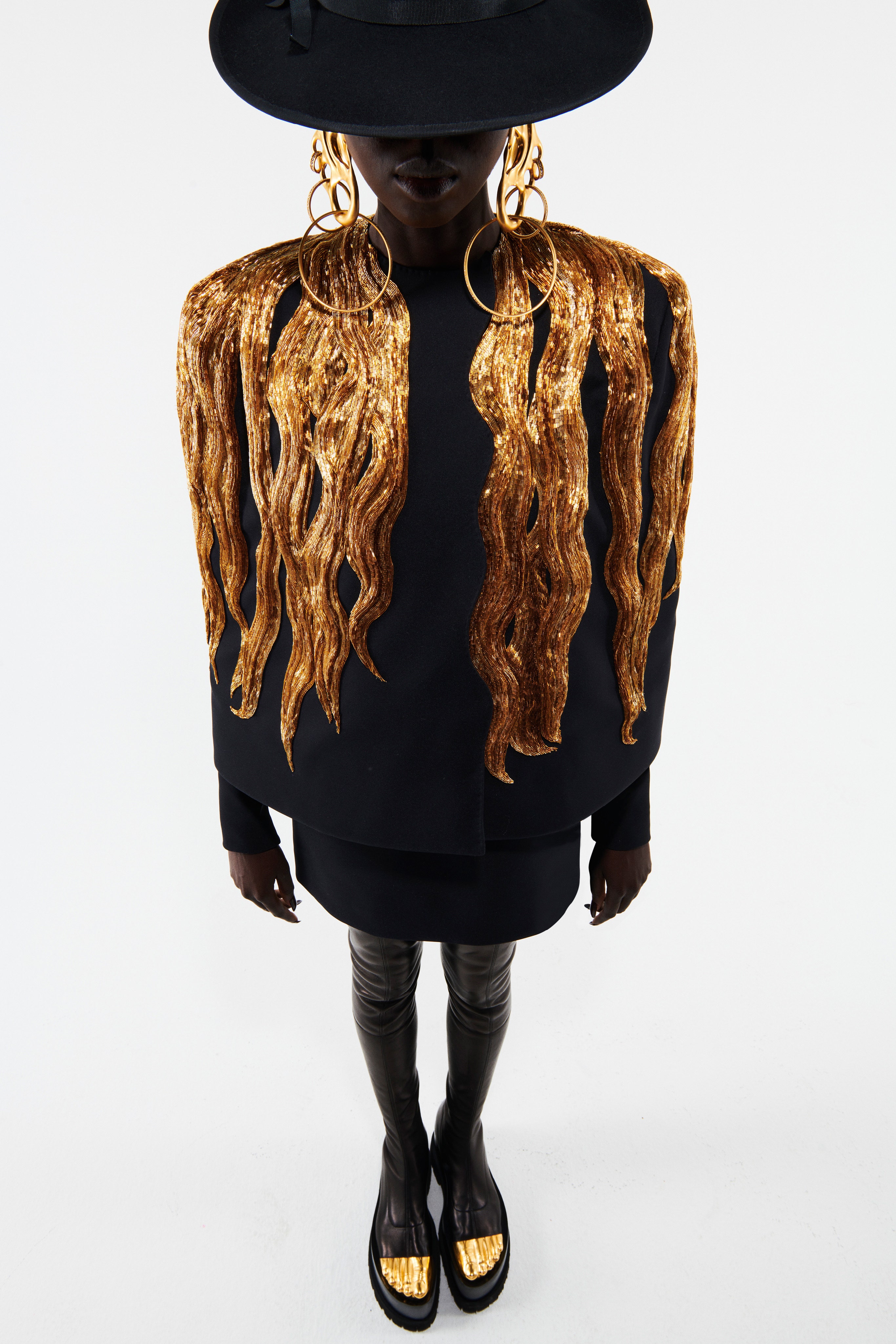
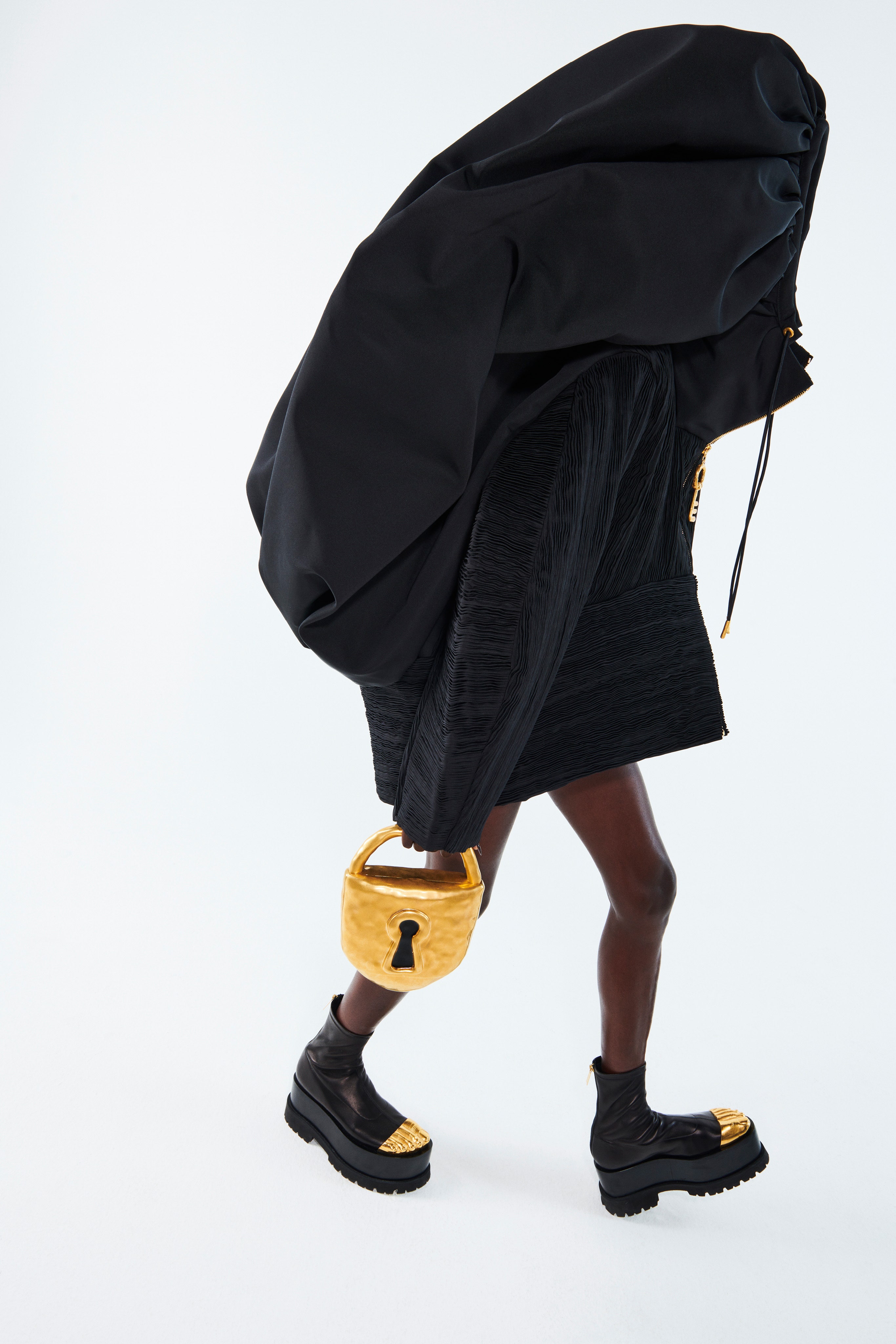
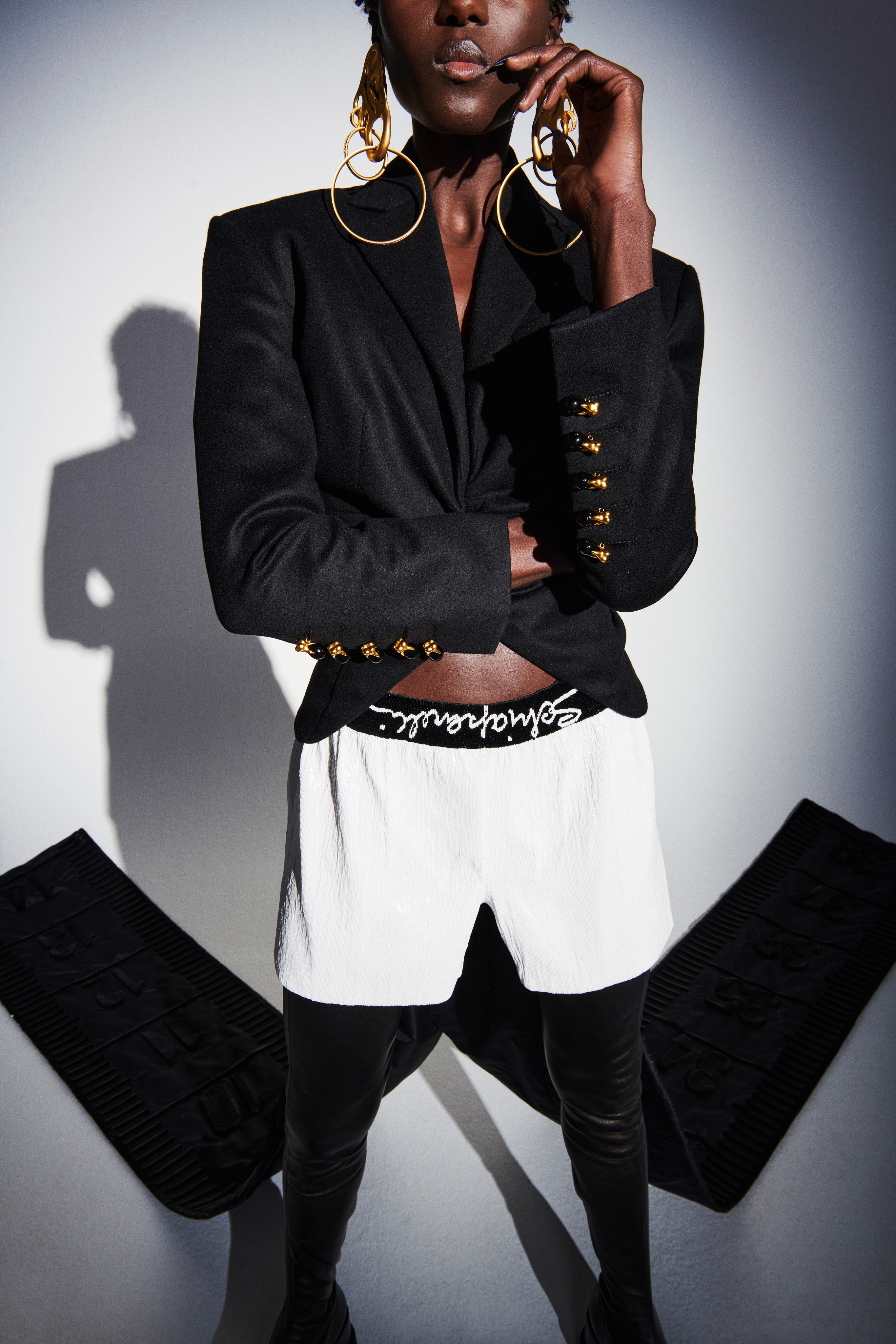
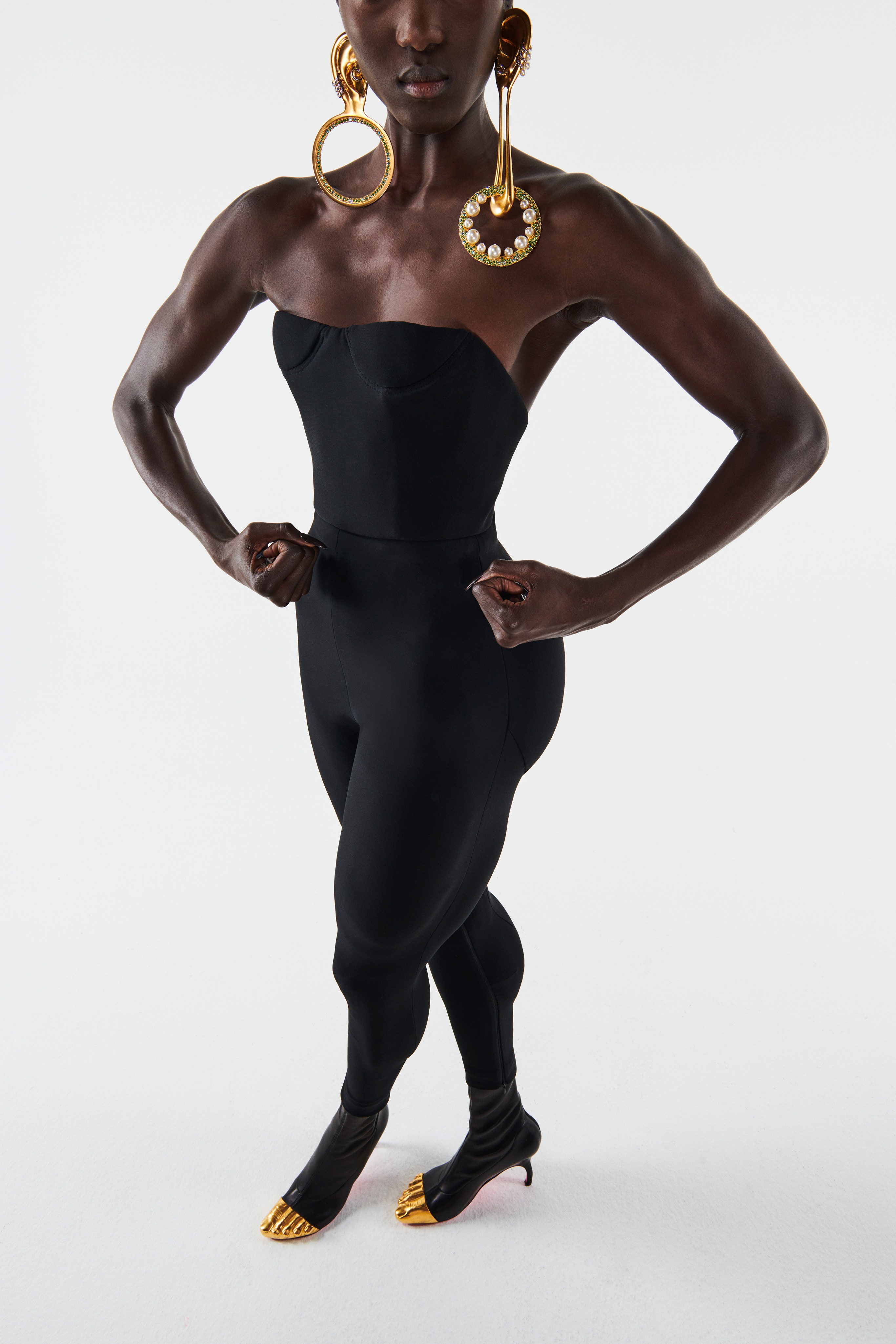
The masculine structures and silhouettes that Roseberry uses are only placed on black models, while the white models are given more feminine shapes that have drape and flow. My problem with this (in case you haven’t seen it) is that western society often tends to masculinize black women.
Black women are often depicted as strong, aggressive, forceful, and ‘manly’. The idea that a black woman can never be seen as ‘feminine’ plays into a harmful stereotype that many young black girls often are subjected to.
The thinking stems back to slavery times when black women would work in the fields, do hard labor, and are generally expected to serve. Throughout history, it has been taught that the darker the complexion, the poorer a person is since a poor person may have to work on a farm or outside in the hot sun.
Lighter skinned persons would not be subjected to such hard labor, so their attire often reflects a more sophisticated and feminine sort of look. By replicating imagery that black women are ‘masculinized’, fashion designers such as Daniel Roseberry only plays into this harmful stereotype and whatever message he’s trying to send about body imagery only gets lost.
And addressing the way a woman’s body is viewed by society should in no circumstance be addressed by a man—especially a white man. Ideas on female body should be left to female fashion designers.
With that being said, I do hope that many designers look at this and learn from this experience. Designers should tell a story, but they should be careful what message their story is sending to their audiences.


Can’t get enough of The Ravyn? Subscribe to my blog below: