
If the God you’re serving is instilling fear in others … I’ve got news for you…
YOU’RE SERVING THE WRONG GOD
The Fearful Gospel
Not to scare you, but the message of hell and damnation is sometimes the most central message for many Christians when spreading the Gospel.
The idea of a ‘left behind’ message used as a scare tactic to unbelievers invokes a feeling of dread and sometimes resentment for the faith.
For God hath not given us the spirit of fear; but of power, and of love, and of a sound mind.
2 Timothy 1:7

The Commandment to Love
However, here’s the issue: The two greatest commandments Christ gave to us were ‘love God with all your heart, mind, and soul’ and ‘love your neighbor as yourself’ (Matthew 22:27-40).
We know that the first commandment we should keep is to love. Christ even took it a step further, saying to ‘love your enemies’ (Matthew 5:43-48).
In Matthew 22, the Pharisees decided to test Christ by asking Him what the greatest commandment of the law was. His reply was simple, yet profound: love God with all your heart (Deuteronomy 6:1-9), and love your neighbor (Leviticus 19:17-18). Jesus then went on to say, “all the Law and the Prophets hang on these two commandments.”
Now, why write all these things?
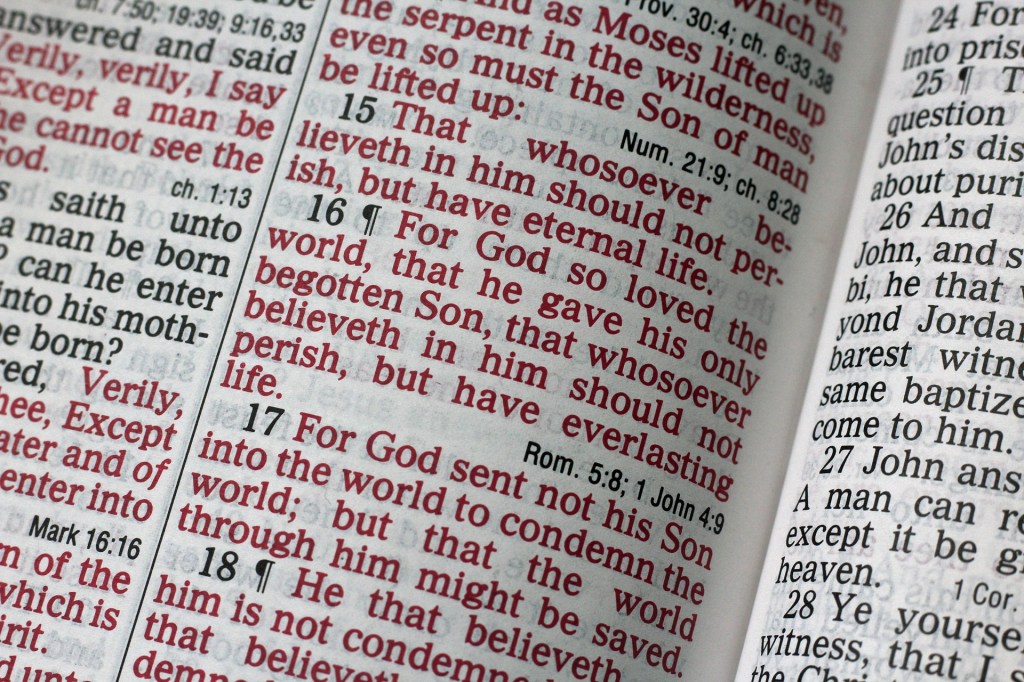
In the Gospel, the message of repentance is imperative; no one can dispute that. However, the true message of the Gospel is found in John 3:16.
“For God so loved the world, that He gave His only Son, that whoever believes in Him should not perish but have eternal life.”
John 3:16 ESV
God intends for us to understand His love. In Matthew 5, Christ said that He was the fulfillment of the Law, and the greatest Law is to love God and to love others.
We love God because He first loved us (1 John 4:17-19). This, my friends, is the real truth.
Fear vs. Love
As Christians, if we preach fear and instill a sense of doubt, forcing people into the Kingdom of God (or, more accurately, forcing repentance) by threatening their souls, we are not preaching the Gospel.
There’s a difference between warning the unbelievers that they’re already condemned due to our sin nature and using hell as a punishment for those who don’t believe.
When Christ spoke to Nicodemus, he was careful to note that He was not sent to condemn the world, but rather that through Him, the world would be saved. Christ said that those who did not believe and lived in sin were already condemned. Yet, Christ Himself came with no condemnation.
Our goal as believers isn’t to instill fear within the hearts of those who haven’t repented, but rather to guide them to the truth of God’s love.
1 John 4:18 says:
There is no fear in love, but perfect love casts out fear. For fear has to do with punishment, and whoever fears has not been perfected in love.
1 John 4:18 ESV
1 John 4 gives a clear way to love, and highlights what the will of God is for this world:
Beloved, do not believe every spirit, but test the spirits, whether they are of God; because many false prophets have gone out into the world. By this you know the Spirit of God: Every spirit that confesses that Jesus Christ has come in the flesh is of God, and every spirit that does not confess that Jesus Christ has come in the flesh is not of God. And this is the spirit of the Antichrist, which you have heard was coming, and is now already in the world.
You are of God, little children, and have overcome them, because He who is in you is greater than he who is in the world. They are of the world. Therefore they speak as of the world, and the world hears them. We are of God. He who knows God hears us; he who is not of God does not hear us. By this we know the spirit of truth and the spirit of error.
Beloved, let us love one another, for love is of God; and everyone who loves is born of God and knows God. He who does not love does not know God, for God is love. In this the love of God was manifested toward us, that God has sent His only begotten Son into the world, that we might live through Him. In this is love, not that we loved God, but that He loved us and sent His Son to be the propitiation for our sins. Beloved, if God so loved us, we also ought to love one another.
No one has seen God at any time. If we love one another, God abides in us, and His love has been perfected in us. By this we know that we abide in Him, and He in us, because He has given us of His Spirit. And we have seen and testify that the Father has sent the Son as Savior of the world. Whoever confesses that Jesus is the Son of God, God abides in him, and he in God. And we have known and believed the love that God has for us. God is love, and he who abides in love abides in God, and God in him.
1 John 4:1-16
To love God and to love each other should be the most important thing in our journey as believers, and to experience and share God’s love should be our greatest duty to the world. We should practice our love for others by spreading the truth of God’s word and helping those in need.
Contending for someone’s soul is not our job. Conviction and salvation come from God alone. However, our journey to spread the message of God’s love is something that we’re commanded to do. Someone may hear this message and not believe it; Christ said we should shake the dust from our feet and move on to someone else.
In the End…
We shouldn’t be persistent in arguing and demanding that someone receive salvation, for that doesn’t belong to us, but to God. We don’t have the power to save, so why do we try?
2 Timothy 2 reminds us not to be quarrelsome with others, as this only leads to further unbelief.
Remind them of these things, and charge them before God not to quarrel about words, which does no good, but only ruins the hearers. Do your best to present yourself to God as one approved, a worker who has no need to be ashamed, rightly handling the word of truth. But avoid irreverent babble, for it will lead people into more and more ungodliness…
2 Timothy 2:14-16

Instead, we should be kind, teach patiently, and endure. We can also correct in gentleness, but we‘re not to attempt to ’save‘ them. 2 Timothy 2, in fact tell us that this is the duty of God.
Gentleness requires us to understand that many unbelievers are deceived. We only see one side of things, and just like our eyes were open to the truth of God’s word, God is the only one with the power to reveal Himself to those who need to be saved.
And the Lord’s servant must not be quarrelsome but kind to everyone, able to teach, patiently enduring evil, correcting his opponents with gentleness. God may perhaps grant them repentance leading to a knowledge of the truth, and they may come to their senses and escape from the snare of the devil, after being captured by him to do his will.
2 Timothy 2:24-26
And lastly,
Let love be without hypocrisy. Abhor what is evil. Cling to what is good. Be kindly affectionate to one another with brotherly love, in honor giving preference to one another; not lagging in diligence, fervent in spirit, serving the Lord; rejoicing in hope, patient in tribulation, continuing steadfastly in prayer; distributing to the needs of the saints, given to hospitality.
Bless those who persecute you; bless and do not curse. Rejoice with those who rejoice, and weep with those who weep. Be of the same mind toward one another. Do not set your mind on high things, but associate with the humble. Do not be wise in your own opinion.
Repay no one evil for evil. Have regard for good things in the sight of all men. If it is possible, as much as depends on you, live peaceably with all men.
Romans 12:9-19
Signed,


Strengthen your faith and grow with God. Get new bible-study content delivered right to your inbox.



 The RAVYN Blog
One response to “Perfect Fear? (What the Bible Says About Fear)”
Amen! It was love that move God to save humanity and thus it must be love that draws us to Him. Great encouraging post. Keep up the good work.
LikeLike