Whenever the term ‘dreadlocks’ come up, there is a debate among many of whether or not the term/word itself is racist.
The history of the word ‘dread’ or ‘dreadful’ to describe hair really has an unknown history, and while some historians speculate that the term may have derived from English colonists in Kenya, there is no set proof of this.
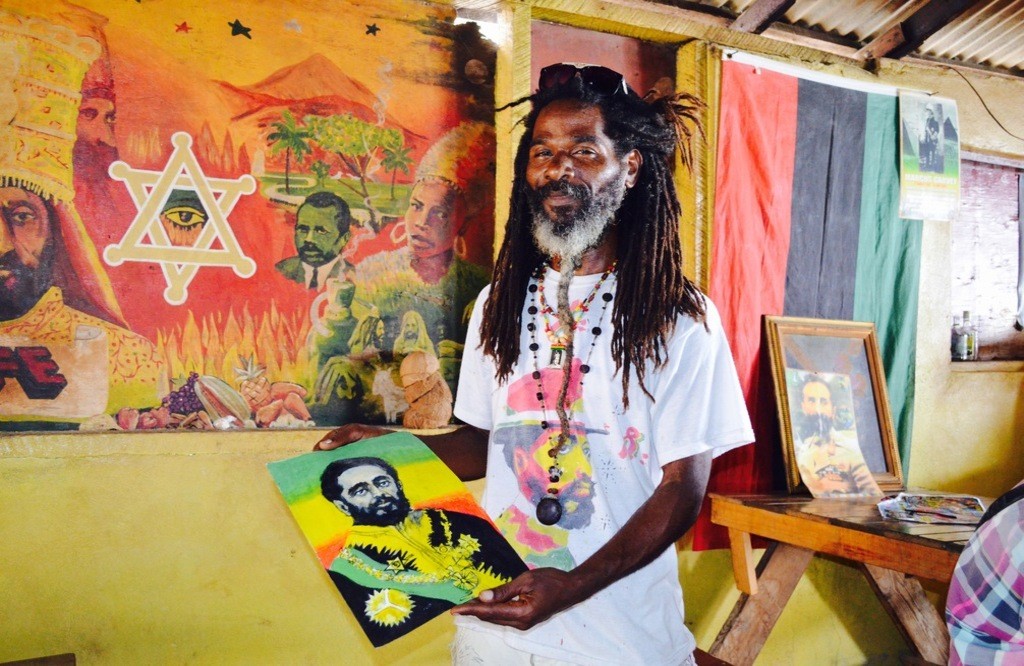
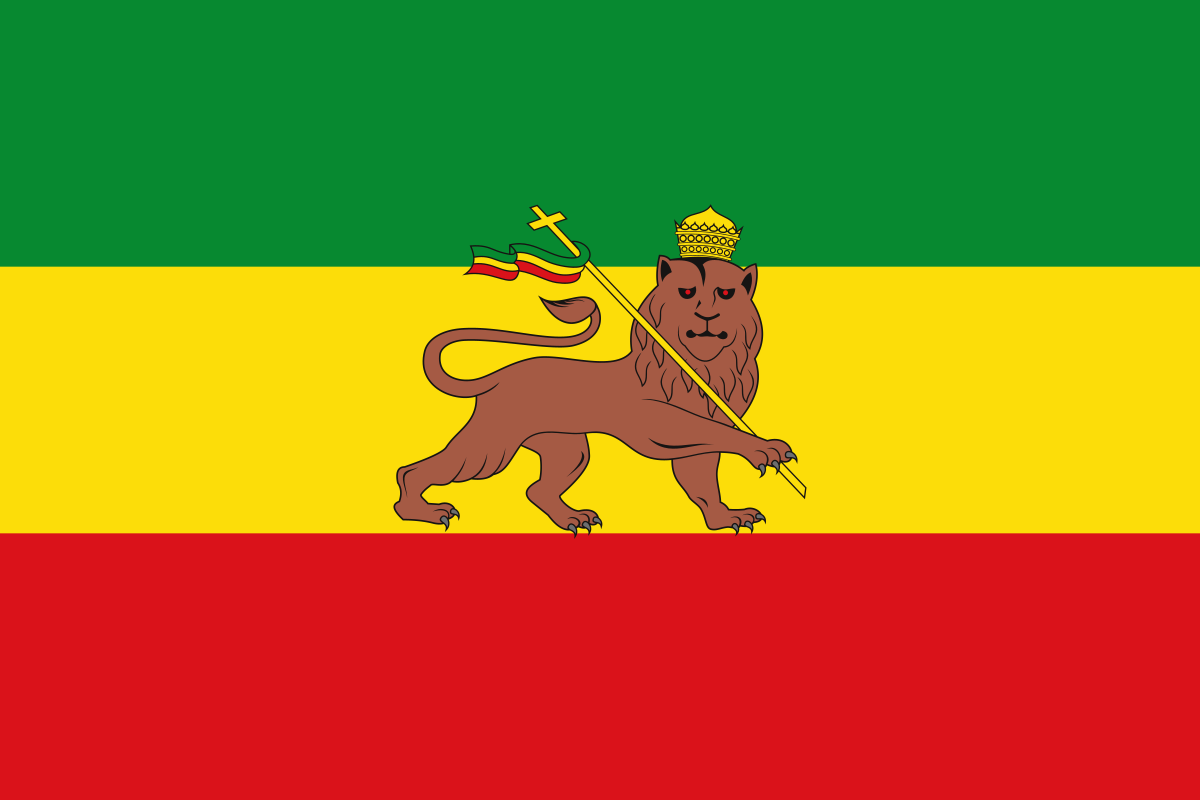
In Jamaica, Rastafarians use the term ‘dread’ as a way to describe great reverence or even fear, but this comes with a positive connotation. Those who were ‘dreaded’ were feared and respected. They were seen as figures of authority. The Rastafarians also wore locs in accordance with the Nazarite law. The story of Samson is used as a way to showcase this. It is even speculated that Jesus (Yeshuah) took the Nazarite vow as well.
Nazarites were expected to be whole and sold out (consecrated) to God, thus they were to refrain from anything that may alter their appearance or behaviors in respect to God.
So, is the term itself racist?
Well, it depends on how you use it. The word locs is another word used to describe the hairstyle and it takes away the spiritual connotation of the word ‘dread’ which is often found in Rastafarian dialect.
The truth is most people don’t know what to do when they hear the word ‘dread’. It’s often used as a negative word—and while that may be true, since the terminology of the word was popularized by Rastafarians (not the hairstyle) it is important that we view the definition from the original intent.

In Deuteronomy 11:25, the Israelites are promised land, and they are told that the neighboring tribes will fear and dread them because the Lord will be with them.
No one shall be able to stand against you. The Lord your God will lay the fear of you and the dread of you on all the land that you shall tread, as he promised you.
Deuteronomy 11:25
From a biblical point of view, dread speaks of fear (or terror) and sometimes respect, but never disgust. Google defines it as great fear or apprehension.
In Isaiah 8:13 (ESV) this is what is commanded of the Israelites (and us):
But the Lord of hosts, him you shall honor as holy. Let him be your fear, and let him be your dread.
Quite interestingly, this is the very reason why Rastafarians refer to their locs as ‘dreadlocks’. They fear God and have great honor and reverence for Him.
So, it comes down to the final question. Is the terminology racist?
Only if you use it wrong. If you use the term dreadlocks to describe messy and unkempt hair, or use it to denote a negative aspect of hair, then yes, you’re using the term with a racist undertone. However, if you use it to describe an eloquent hairstyle, especially of Black people, then it shouldn’t be deemed as racist.
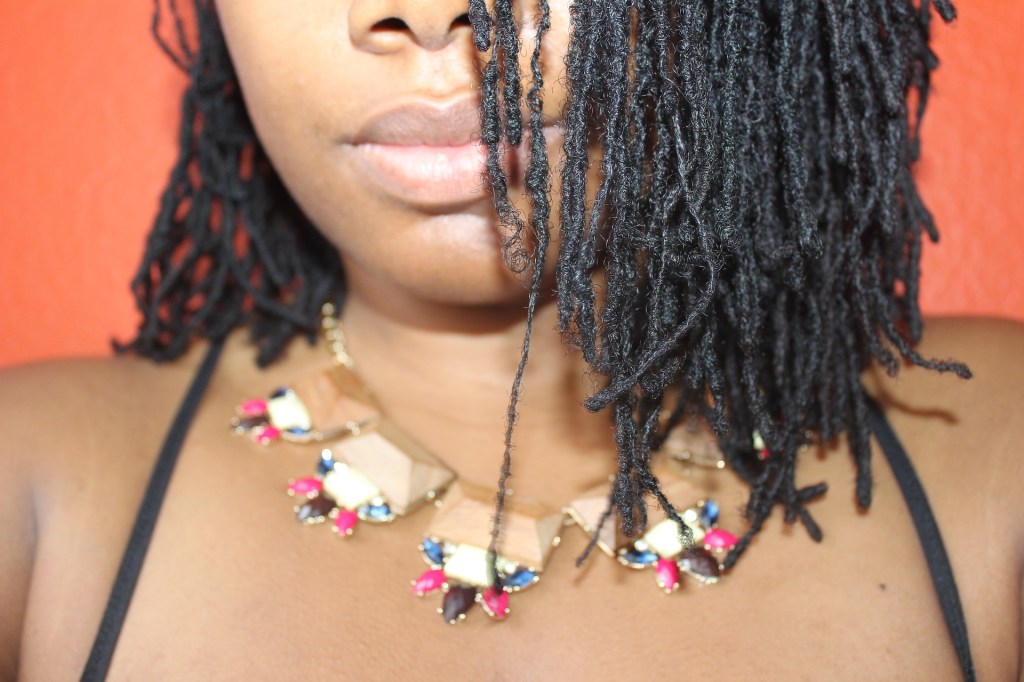
The hairstyle is known as matlocks on Caucasians, and some Black Americans believe it should be called locs, but I personally believe that if you understand the spiritual meaning and significance of the hairstyle, then you would refer to it as dreadlocks.
Can’t get enough of The Ravyn? Subscribe to my blog below:

Need new stickers for your digital planner?
Download the Queen Collection Digital Stickers for your digital planner NOW!

 The RAVYN Blog